
Immersive science workshops for primary schools
Where curiosity ignites
School Science Days bring interactive, hands-on STEM learning directly to your classrooms.
- DBS-checked facilitators
- Curriculum-linked
- Risk assessment included
- EYFS to KS2
20,000+
Schools reached
15m+
Children taught
30+
Years of delivery
World's largest
Workshop provider
Nine workshops
Choose your session
Book a single workshop for your class or schedule the complete multi-day school experience.
 VR
VRSpace in VR
Every child in the class becomes an astronaut.
KS1 - KS245 - 60 minutes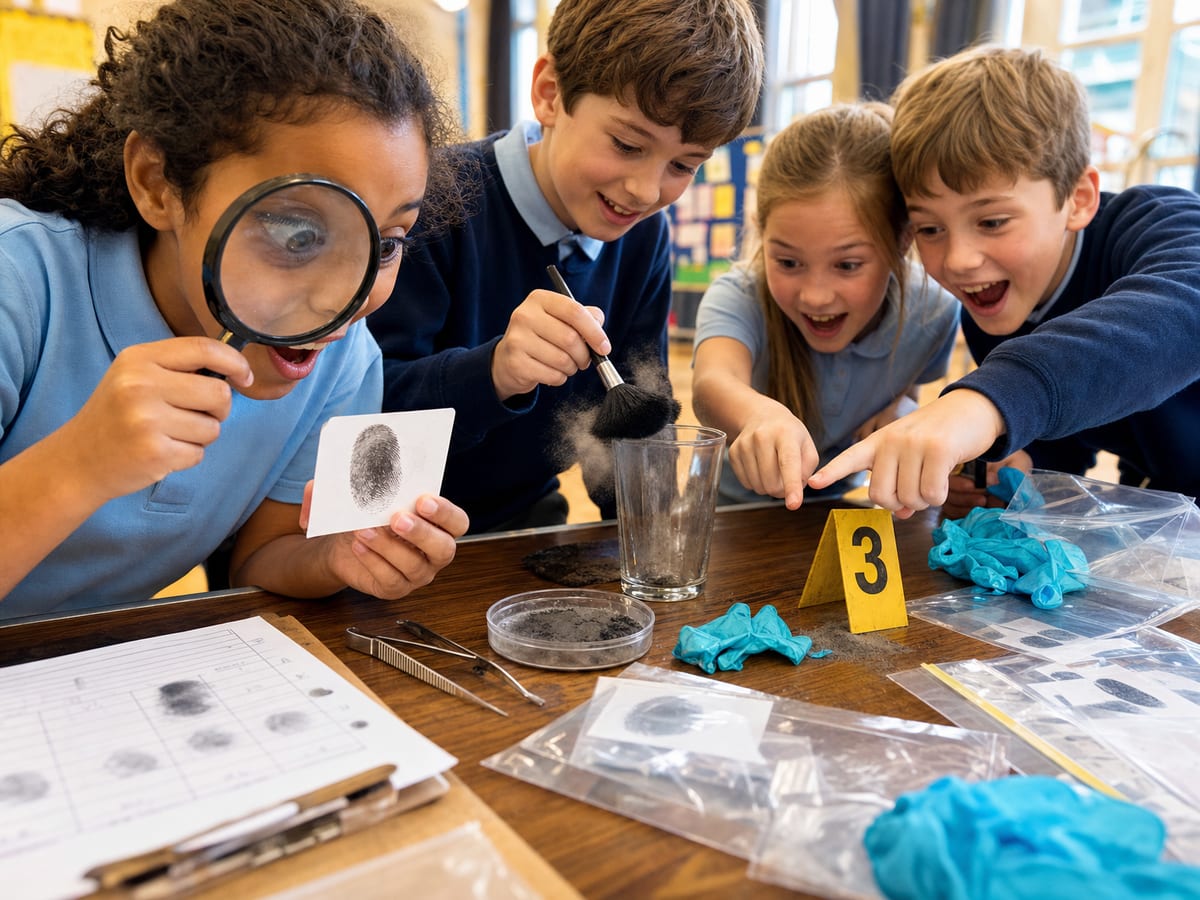 Hands-on
Forensic Science
A crime has been committed. The class has to solve it.
KS1 - KS245 - 60 minutes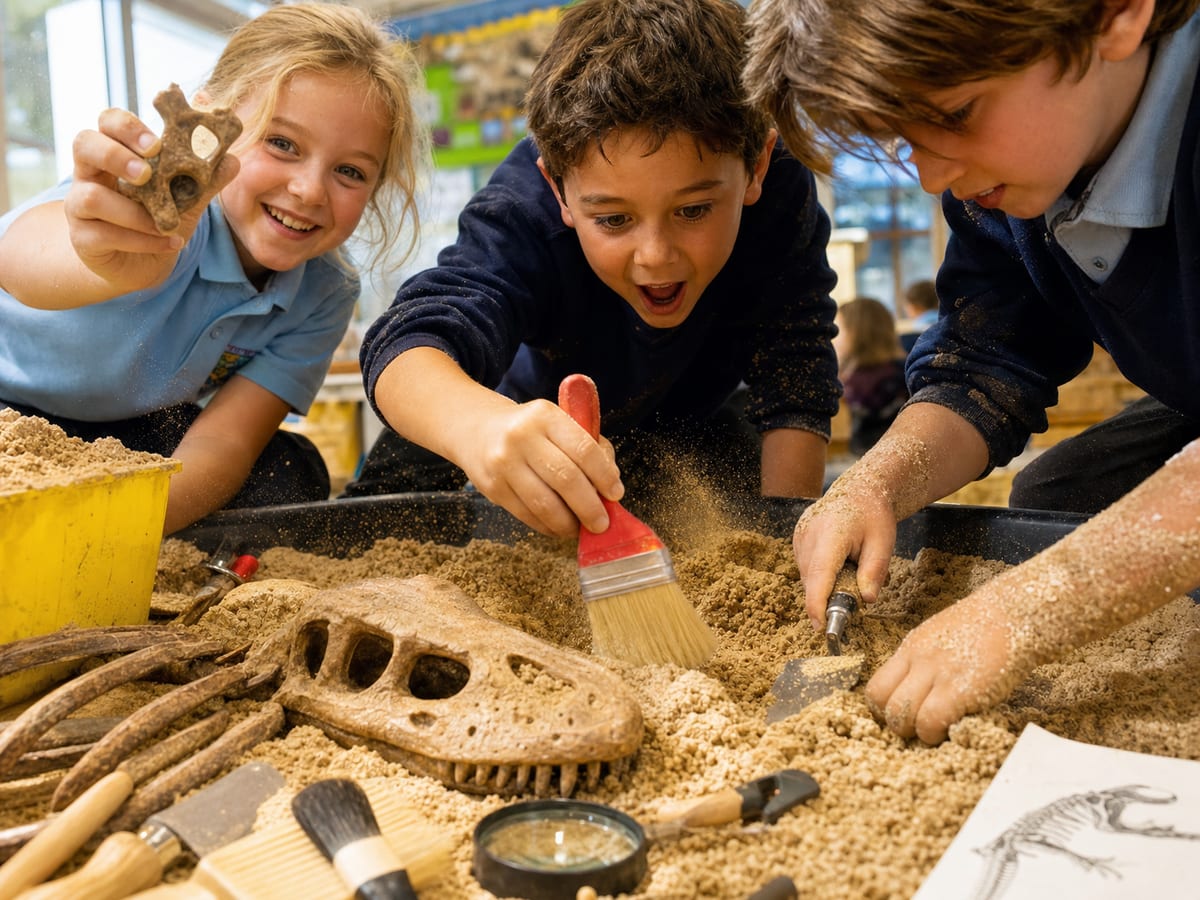 Hands-on
Dinosaur & Fossil Dig
Real digging, real fossils, in your own hall.
EYFS - KS245 - 60 minutes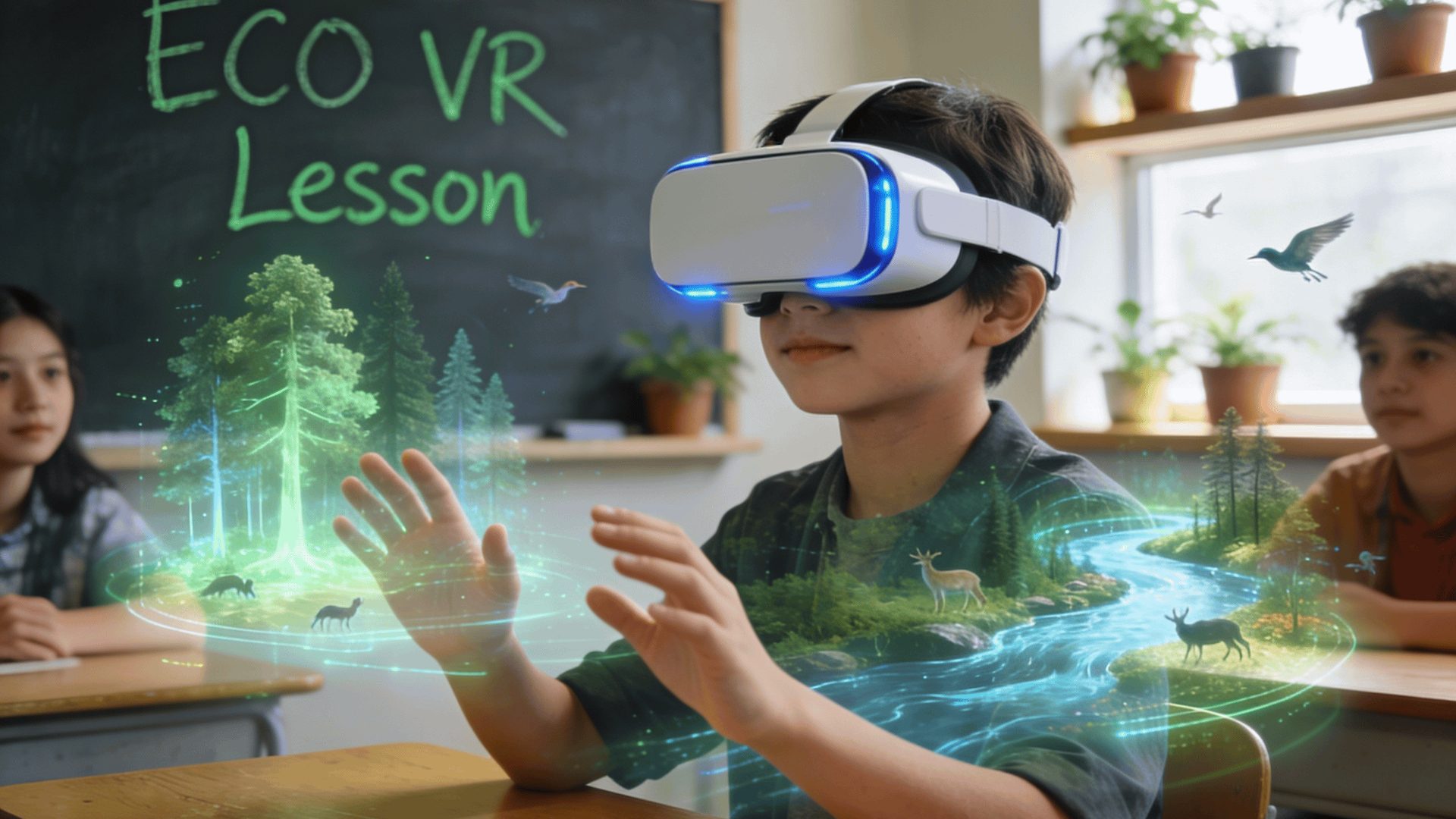 VR
VREco in VR
Fragile ecosystems, visited rather than described.
KS1 - KS245 - 60 minutes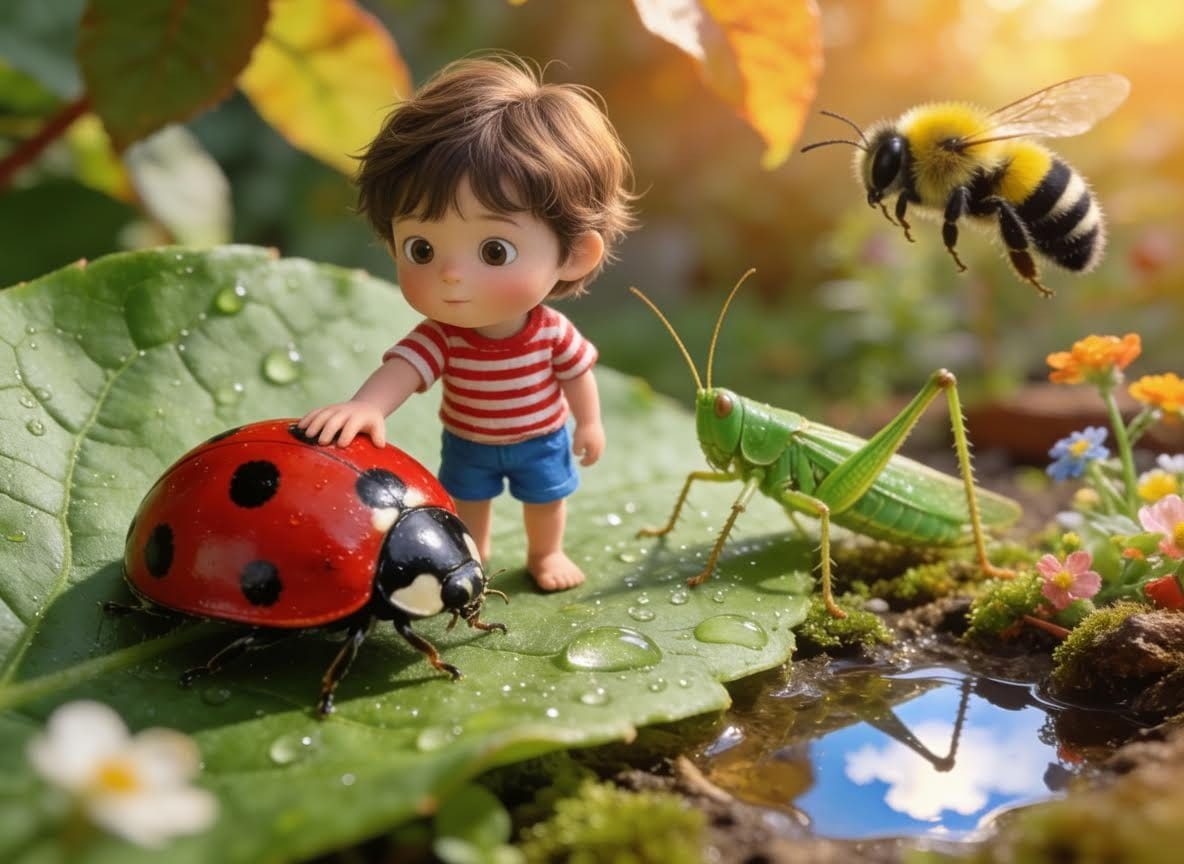 VR
VRMinibeasts in VR
The garden, seen from a beetle's point of view.
EYFS - KS245 - 60 minutes VR
VRWild Animals in VR
Face to face with one animal from every class.
EYFS - KS245 - 60 minutes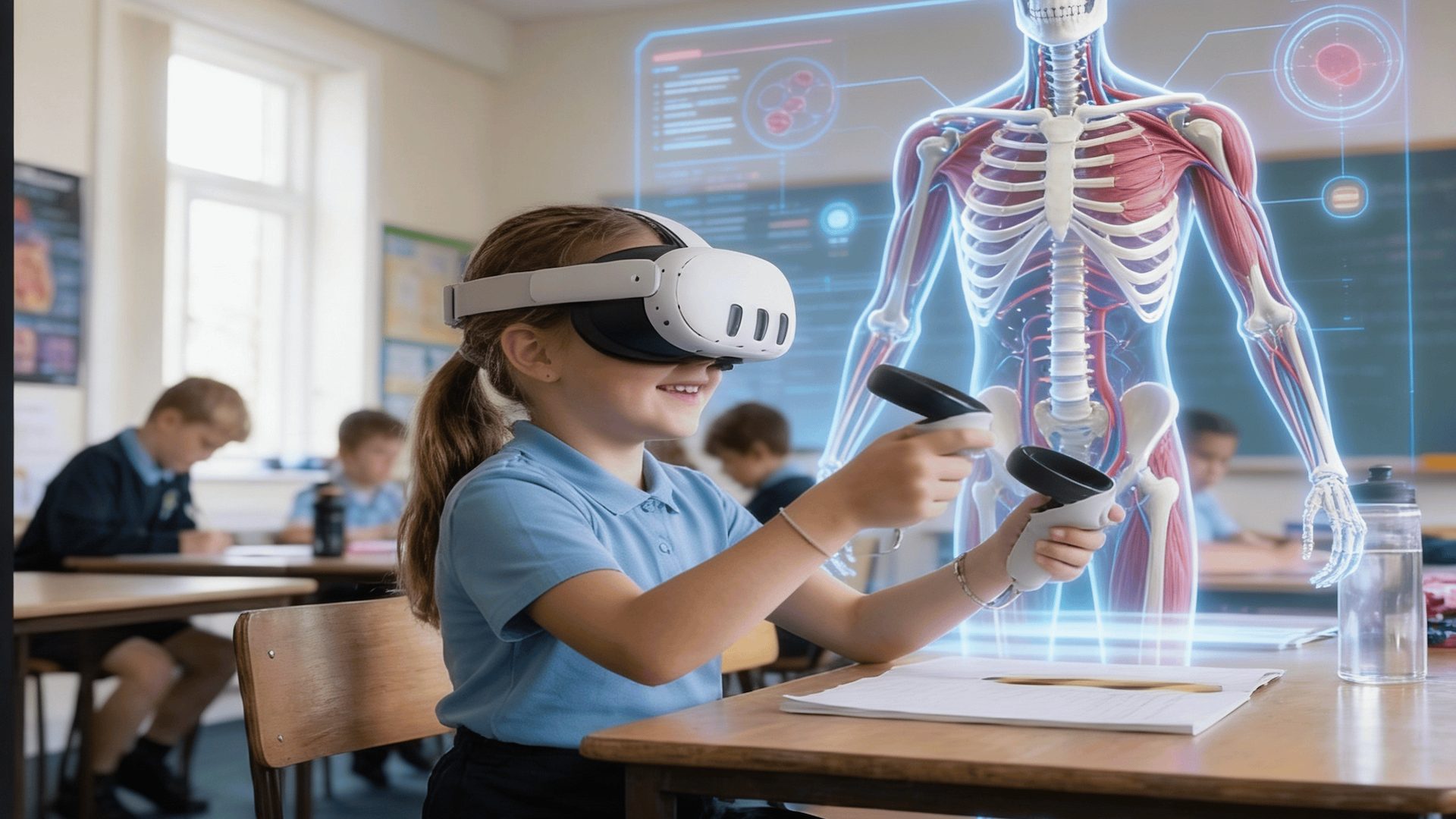 VR
VRHuman Body in VR
Shrink to the size of an atom and go inside.
KS1 - KS245 - 60 minutes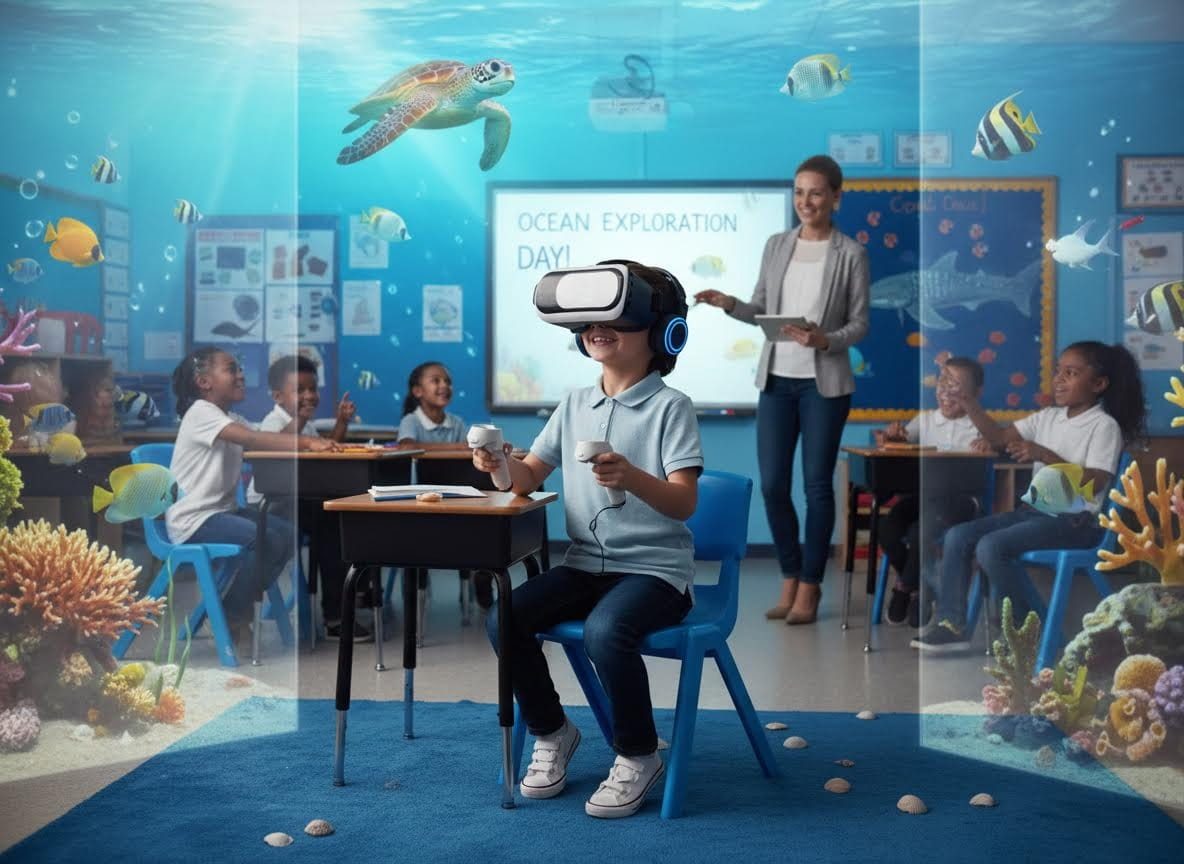 VR
VROcean Life in VR
A whole-class dive to the reef and beyond.
EYFS - KS245 - 60 minutes Hands-on
Science Faction
Live experiments with the wow factor - and the concept behind it.
EYFS - KS245 - 60 minutesHow the day runs
One hall. Six classes.
A typical booking covers a one-form-entry school from Reception to Year 6 without touching your lunch sittings.
08:15
We arrive and set up
Your facilitator unloads, tests every headset on our own network and is ready before the first bell.
09:15
First session starts
Class one takes their seats. A short briefing, then the whole class enters the same virtual environment together.
All day
Classes rotate through
45 to 60 minutes per class depending on what your school needs, with up to six sessions across the day, timed around your assemblies and lunch sittings.
15:30
We pack down and leave
Equipment away, hall back to normal, follow-up classroom activities left with your science lead.
Plan around the calendar
The dates schools book science for
Science Week fills first. These are the fixed points in the year worth getting in the diary early.
British Science Week
5 - 14 March
Ten days of science, technology, engineering and maths - and the busiest fortnight in our calendar.
OctoberWorld Space Week
4 - 10 October
The week the whole class becomes a crew of astronauts.
AprilEarth Day
22 April
Global issues made local, in a single day.
JuneWorld Ocean Day
8 June
A whole-school dive without leaving the hall.
MarchWorld Wildlife Day
3 March
The animals a class will never meet, met properly.
SpringInternational Astronomy Day
Spring - the date moves each year
Bringing astronomy to the class, rather than the class to the sky.
JuneWorld Environment Day
5 June
The UN day with a different theme every year - and a class that can see it.
JuneInsect Week
June - dates set by the Royal Entomological Society
The smallest animals in the school grounds, at the size of a dinner plate.
What the day feels like
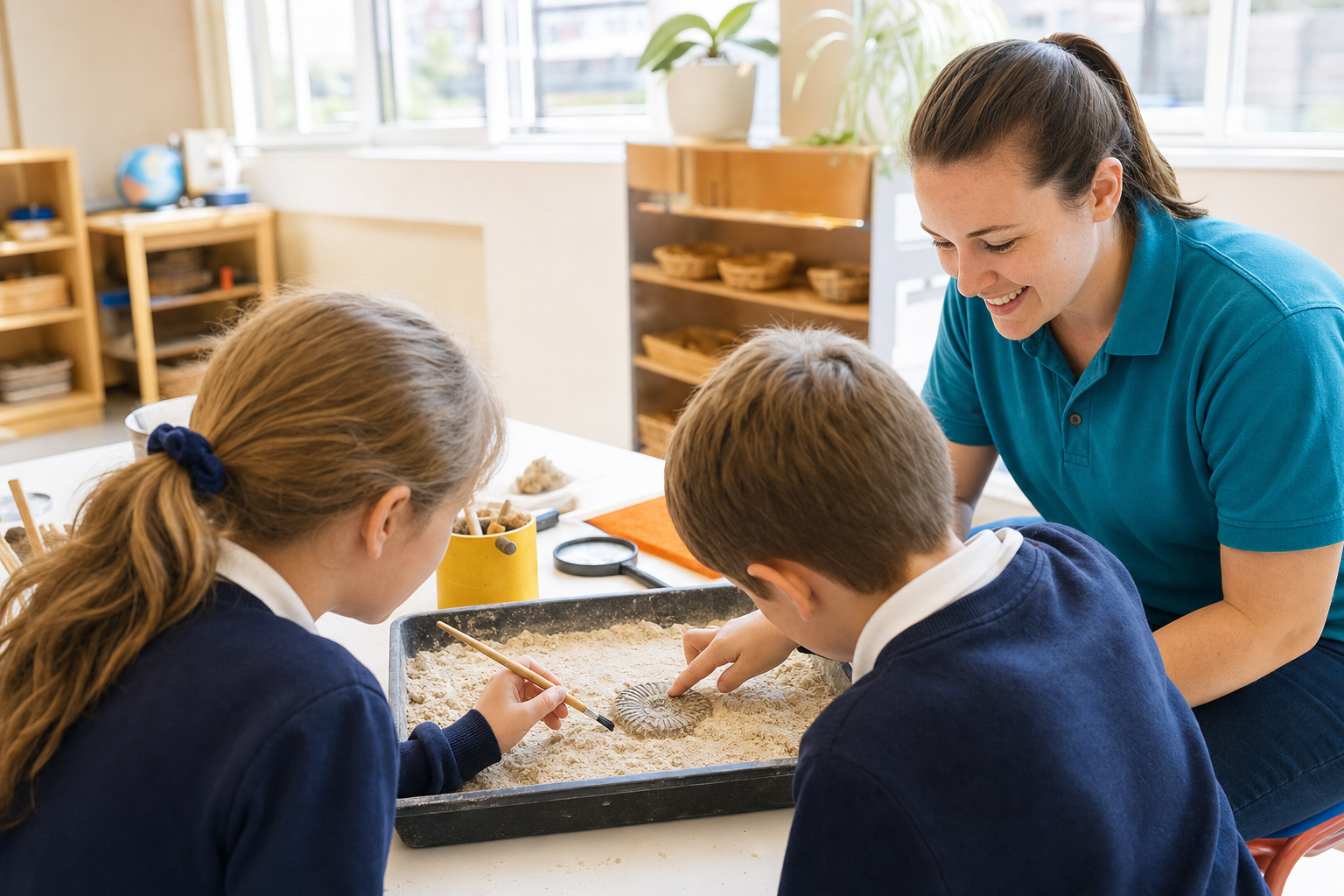
A fossil in their hands beats a fossil in a book. That is the entire idea.
Feedback from schools
Schools keep asking us back
The children have not stopped talking about the VR headsets. Our Year 5s were naming planets and moons a fortnight later, which tells you how much of it stuck.
Slick from start to finish. The facilitator set up before we arrived, ran six sessions without a hitch, and the paperwork was in my inbox the day we booked.
Forensic Science was the highlight of Science Week. Every child had a job to do and the whole class had to agree on the evidence before they could name a suspect.
We were nervous about headsets with Key Stage 1, but the session was pitched perfectly and the hygiene routine between classes was thorough.
Genuinely good value. Worked out at under three pounds a child and it was the science our pupils remembered all year.
From the blog
Planning notes for science leads

Planning
How to plan a Science Week that does not eat your whole timetable
Six sessions, one hall, and a timetable that still has room for lunch. Here is the running order that works in a one-form-entry school.
2 September 2026 · 5 min read

Guidance
Is VR safe for primary-aged children? An honest answer
Age guidance, session length, hygiene between classes and what to do about the child who would rather not wear a headset.
19 August 2026 · 6 min read

Curriculum
Teaching Earth and space in Year 5 so the scale actually lands
Pupils can recite the order of the planets and still have no idea how far apart they are. Here is how to fix the scale problem.
5 August 2026 · 5 min read